

LIBERATORY EDUCATION INSTITUTE.
The Ed Factory’s Liberatory Education Institute brings together educators, scholars, artists, schools, and community organizations to study and practice liberatory education. Its work with educators who teach and work with young people inside and outside of schools begins with understanding the social, economic, and cultural forces shaping educational settings and the communities in which they exist. Rather than treating race, class, gender, or sexuality as categories to manage, fellows examine how these constructs are produced, how they shape educational life, and what they reveal about social disconnection.
The Institute works within and alongside communities, partnering with schools, districts, arts organizations, and community groups. Fellows study and practice liberatory education: examining how power, culture, and difference shape teaching and learning; developing intellectually ambitious, interdisciplinary approaches to curriculum and pedagogy; and creating conditions in which young people can question, imagine, make meaning, and act upon the world.
Through mentoring, seminars in social theory, public symposia with leading thinkers in the arts, humanities, and sciences, and sustained exchange with one another, fellows connect critical study to educational practice.
Designed by Dr. Lisa Arrastia, the Founder and Director of The Ed Factory, the Liberatory Education Institute began in 2011, when Minneapolis Public Schools partnered with the University of Minnesota’s Department of African American and African Studies to create an alternative to standard cultural competency training for educators. More than a decade later, that founding commitment—to question what education reproduces and imagine what it might make possible—continues to guide the Institute’s work.
LIBERATORY CLASSROOMS.
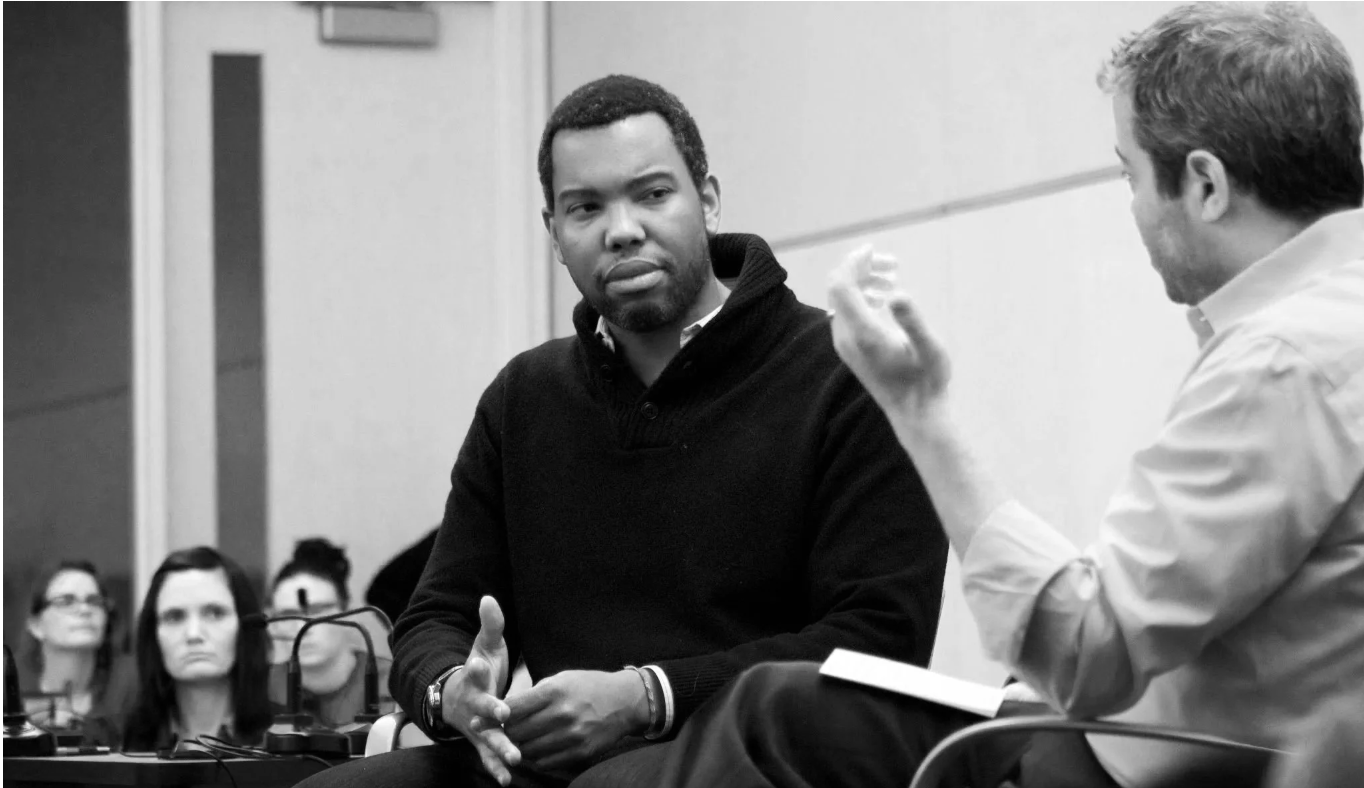
Writer Ta-Nehisi Coates and social cognitive neuroscientist Matthew Lieberman in conversation during the Liberatory Education Institute’s symposium: "Is Racism the Neural Adversary of the Social Mind?"
The Institute helps teachers build liberatory classrooms where curiosity, imagination, and meaningful relationships shape the work. Fellows learn to teach for understanding, examine their own assumptions, design interdisciplinary projects rooted in students’ real lives, and create conditions where young people want to learn. This work is grounded in love pedagogy™, a practice Lisa has developed over more than a decade to strengthen connection, deepen listening, and help teachers and students see themselves and one another more clearly.
Listen to how the Liberatory Education Institute inspired Je'meyah to attend school every day.
INTERDISCIPLINARY INQUIRY.
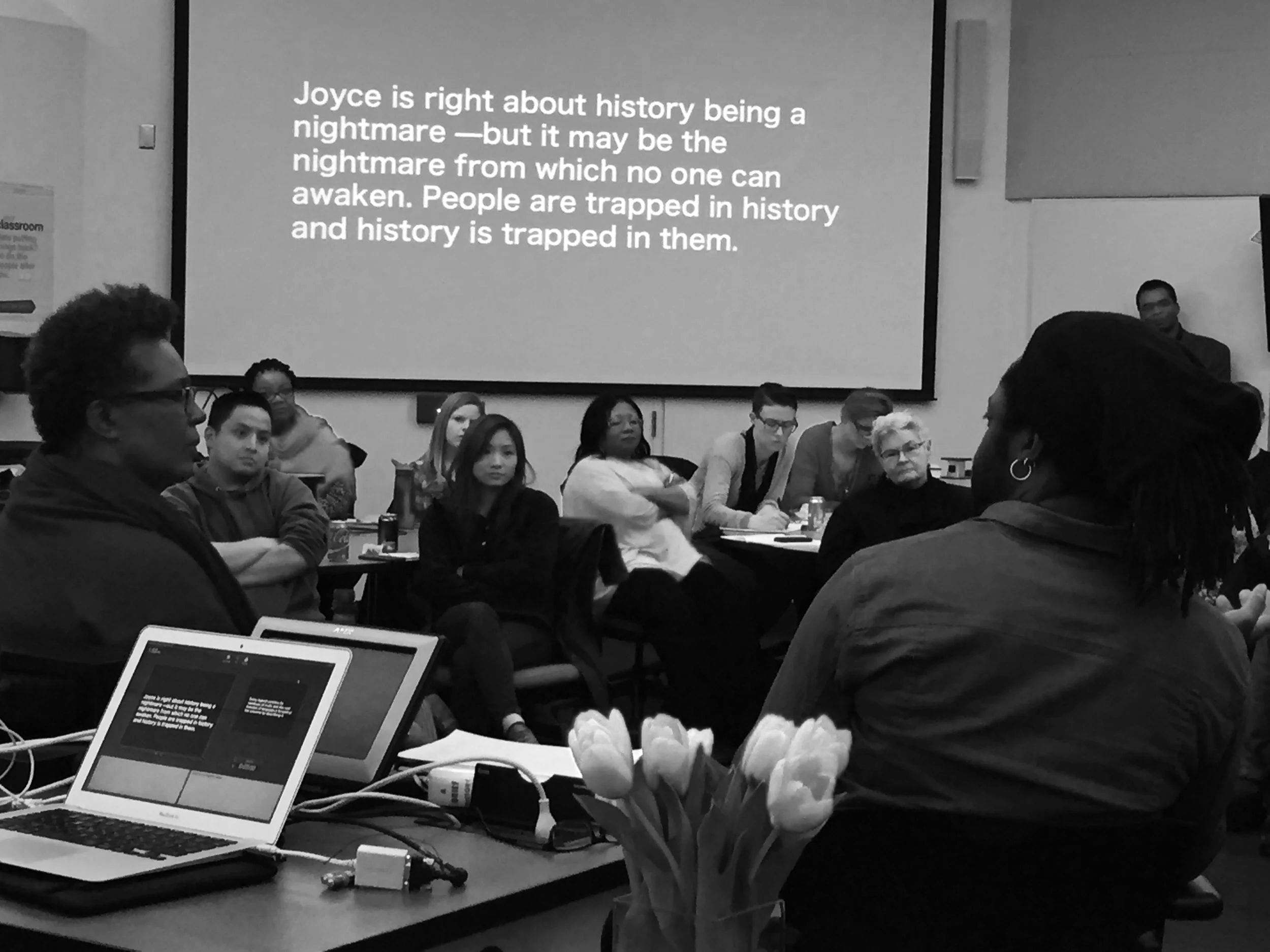
Writers Claudia Rankine and Marlon James in conversation during the Teachers Institute, "'Strangers in the Village': Imagining (Young) Black Bodies in America."
Fellows complete an individual project supported by an Institute Mentor. Projects have included interdisciplinary inquiries on math, race, and housing; narrative and aesthetic practices; and classroom explorations that position students’ lived experiences as sources of knowledge. Several Institute fellows have presented nationally—most notably at the “Creating Balance in an Unjust World” conference in San Francisco—and have been recognized with national teaching awards.
PUBLIC SYMPOSIA + EXHIBITIONS.
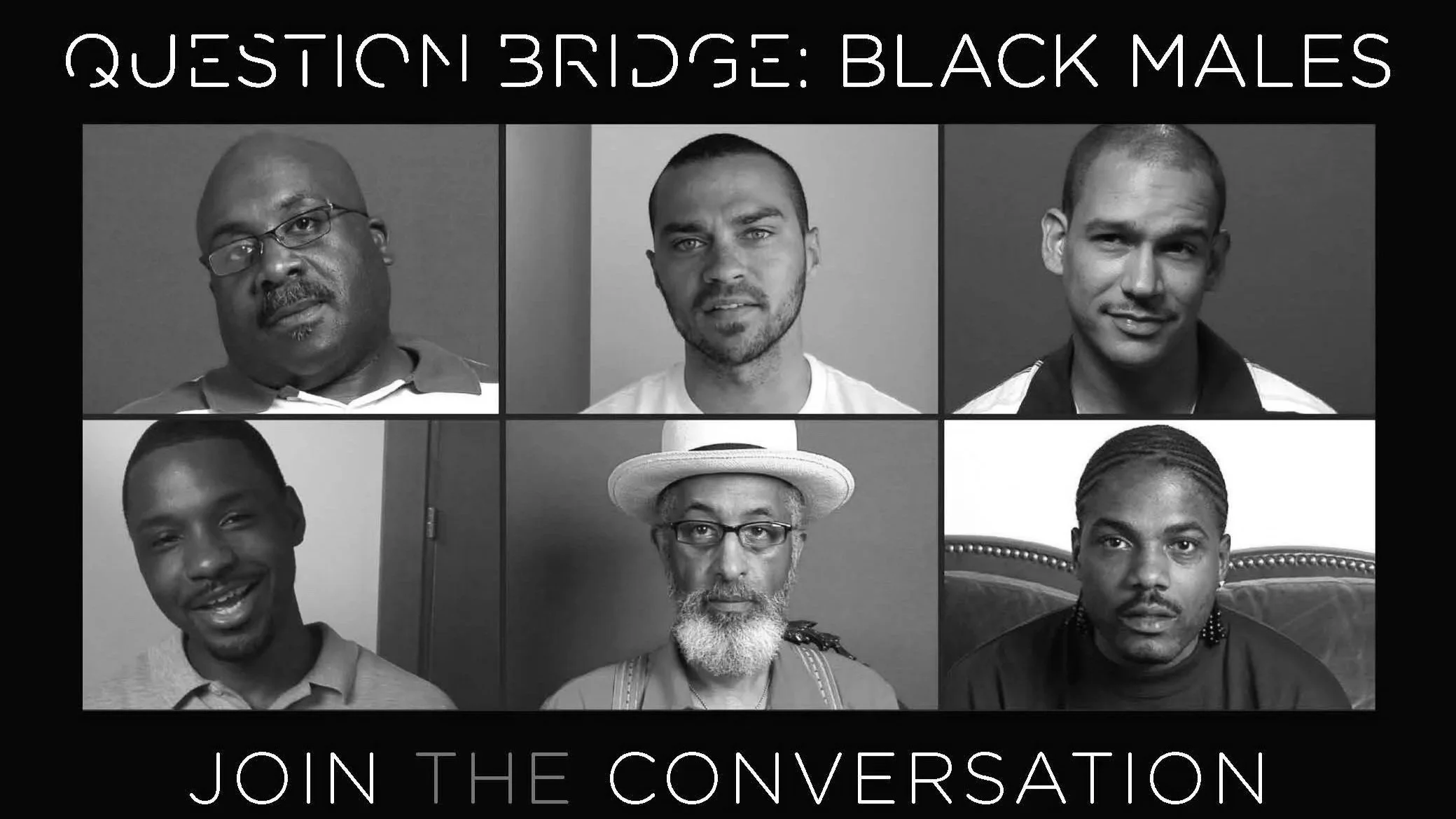
The Liberatory Education Institute’s public symposia and exhibitions bring together renowned local, national, and global artists, scholars, and writers to engage with educators and the community within public venues across the city. These gatherings serve as a vital forum for exploring deep inquiries that challenge conventional educational frameworks through the lens of social theory, art, and social connection.
The series invites participants to reimagine learning environments as places of shared power, creative inquiry, and human connection, where young people are seen, heard, and taken seriously.
BECOME A FELLOW.
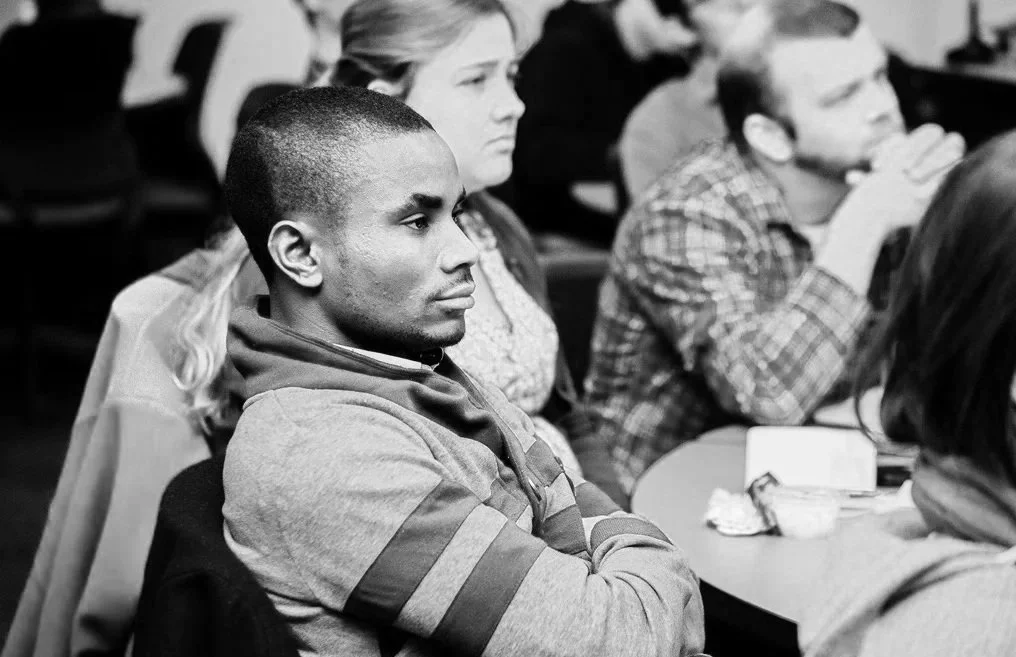
Fellows during a talk by writer, educator Bill Ayers during the Teachers Institute symposium, "Love Pedagogy: Disrupting the Violence Against Young Bodies."
Apply to join a cohort of educators who take part in seminars, symposia, and guided project development. Fellows typically meet for 6 to 8 Saturdays during the fellowship term and receive CEUs for all seminars. Many cohorts also receive a fellowship award and may earn graduate credit or a Certificate of Advanced Study through a local college or university.
WHAT TEACHERS ARE SAYING.
“The Ed Factory’s Liberatory Education Institute has helped me to see student-student relationships in a new way. It has changed my daily practice, how I relate to my students, and how I encourage them to relate to one another.”
“The Liberatory Education Institute was an amazing experience because it allowed me to have a voice and be heard; it gave me a new sense of confidence and embraced my passion for art, education, and social justice.”
“It was so wonderful to meet the inspiring educators and leaders who presented at the Ed Factory’s Liberatory Education Institute, to work with longtime educators, and to hear about the exciting work done by my colleagues. This is my 32nd year of teaching. The Institute challenged me to think more deeply about my teaching in really meaningful ways. ”
“The Liberatory Education Institute is an unbelievably powerful and critical medium for development. I’m grateful to the institute for enriching my ways of thinking. I’m a better teacher, student, and person because of the critical-thinking exposure the institute provided.”