

ABOUT.
The Ed Factory works at the intersection of the arts, the humanities, and public life. Our seminars in education and cultural studies are rooted in narrative inquiry, layered storytelling, and creative production. We design relational, ethical, and aesthetic spaces to study notions of difference and locate harm in structural conditions rather than individual failure.
All of our work is guided by an underlying practice we call love pedagogy:
A method of connection: it invites people teaching and people learning to meet one another with attention and curiosity rather than with control.
An ethical practice: it creates spaces where people can see and be seen beyond stereotypes or hierarchy.
An aesthetic experience: it is an immersive, multidimensional experience in which people learn to analyze and evaluate the world as they experience it, then decide how to represent and demonstrate their understanding to the public.
The Ed Factory’s programs are for educators working inside and outside schools and for anyone seeking to think, question, and create by critically examining the narratives that construct their lived experience.
Seminars.
Seminars at The Ed Factory are small learning spaces for sustained collective inquiry. Participants examine cultural values, norms, and beliefs and how they shape systems, institutions, and everyday experience. The work wrestles with the tangled complexities of self, other, and difference while participants practice listening across difference, writing to process thinking, and creative production.
Together, participants read, listen, question, and analyze while producing socially engaged writing and art. Seminars also draw on audioethnography, a practice that combines oral history interviewing, narrative inquiry, image, sound, and digital remix.
Prose Lab.
Coaching through Writing
One-to-one support.
Prose Lab is a guided coaching space that uses writing as a site of inquiry, decision-making, and action. Sessions help writers hear their language, sharpen ideas, strengthen prose, and build practices they can return to after the session ends. Each writer’s questions, materials, and context shape the work, whether they are developing a project, preparing an application, pursuing publication, navigating a work challenge, or trying to move with more clarity and purpose.
Through writing, dialogue, goal-setting, and practical exercises, participants examine their experiences in relation to the relationships, institutions, and social conditions that shape them, then work toward clearer language, choices, and next steps.
Liberatory Education Institute.
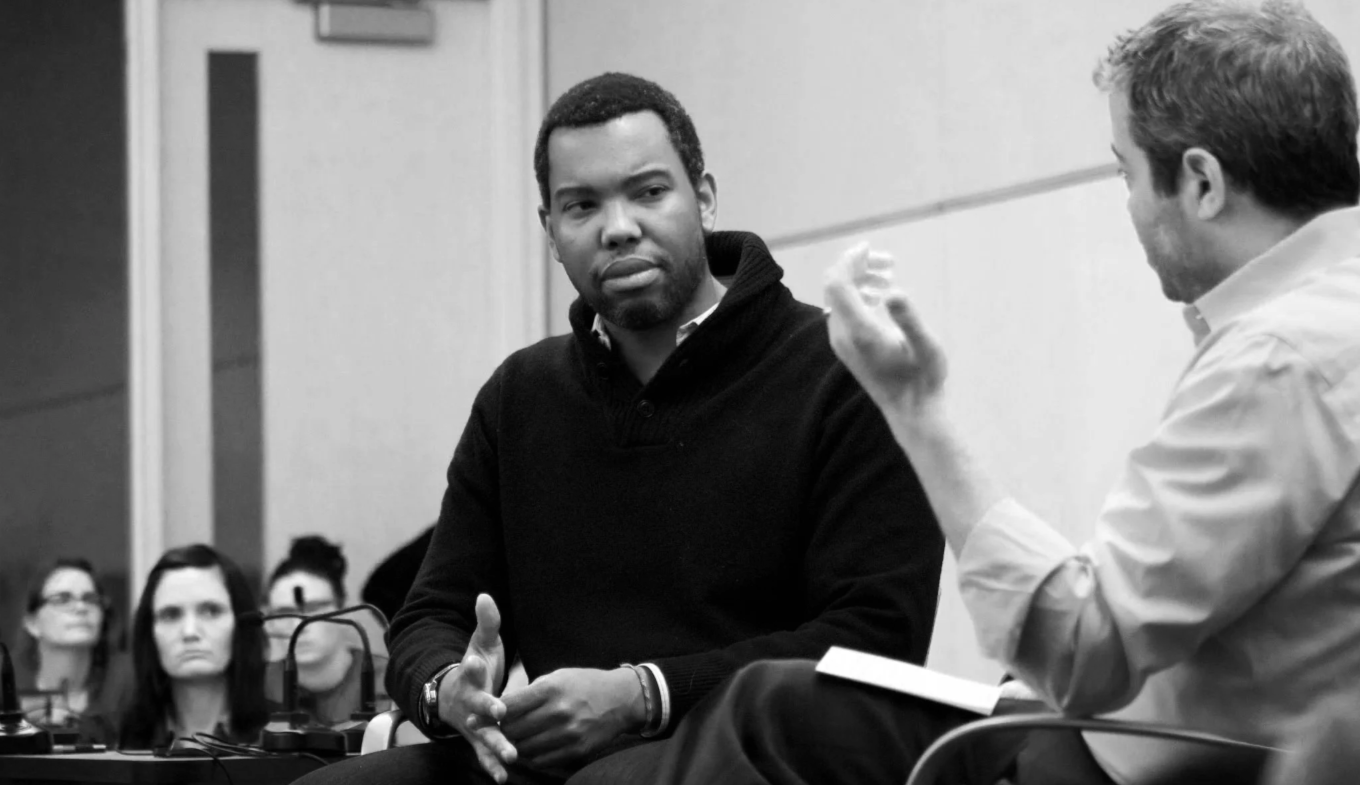
The Teachers Institute is a fellowship for educators who want to work at the intersection of writing, cultural study, and classroom practice. Fellows meet throughout the year with visiting scholars, develop classroom projects, and participate in a community of educators engaged in public intellectual work.