Image 1 of 1
Public Inquiry as Liberatory Education: An Institute in Curriculum & Program Design for Teachers & Youth Workers
Live, online via Zoom / 4.5 Graduate-Level Extension Credits
Opening Sessions
Tuesday, 6 October 2026 / 6:00–8:30 pm EASTERN
Tuesday, 13 October 2026 / 6:00–8:30 pm EASTERN
Weekend Intensives
17–18 October 2026 / 11:00 am–4:00 pm EASTERN
24–25 October 2026 / 11:00 am–4:00 pm EASTERN
7–8 November 2026 / 11:00 am–4:00 pm EASTERN
14–15 November 2026 / 11:00 am–4:00 pm EASTERN
The Fall Institute includes 45 live instructional hours, with additional structured work outside the live sessions (required for those seeking graduate-level extension credit).
—
Description
Public Inquiry as Liberatory Education is a live, online institute in curriculum and program design for educators working inside and outside of schools. The institute studies public inquiry as a liberatory education practice: a way of positioning young people to investigate the social, economic, political, cultural, and local conditions shaping their lives, and to design creative work that recognizes, records, and makes public—in every conceivable shape and form—what others have not yet seen, heard, or understood.
Participants will begin by developing their own public inquiry into a place they know: a childhood community, current neighborhood, school, workplace, or another place that has shaped their life. They will identify a question, study the conditions around it, listen to people connected to that place, and consider what creative public form could carry the inquiry beyond the institute.
From there, participants will design a public inquiry project for young people—one that begins with a strong guiding question, moves through investigation, listening, local research, skill-building, creative production, and revision, and culminates in public work young people can make and share.
The institute draws on liberatory curriculum and program design, critical cultural pedagogy, public inquiry, audioethnographic practice, descriptive review, writing, discussion, and creative production. Together, we will examine how Black, Brown, white, working-poor, and working-class young people are positioned by schools, neighborhoods, public policy, labor, housing, policing, language, family life, media, and local histories. We will also study how educators come to understand young people, authority, freedom, care, responsibility, conflict, and learning, and how those inherited understandings shape the curriculum and programs we build.
By the final session, each participant will have a teachable public inquiry project with a guiding question, core materials, listening or oral history practice, scaffolded experiences, formative assessment, and a public-facing form. The institute assumes that young people across age levels can notice, question, and interpret the world around them; participants will be guided to adapt public inquiry practices to the developmental age, setting, community, and responsibilities of the young people they teach.
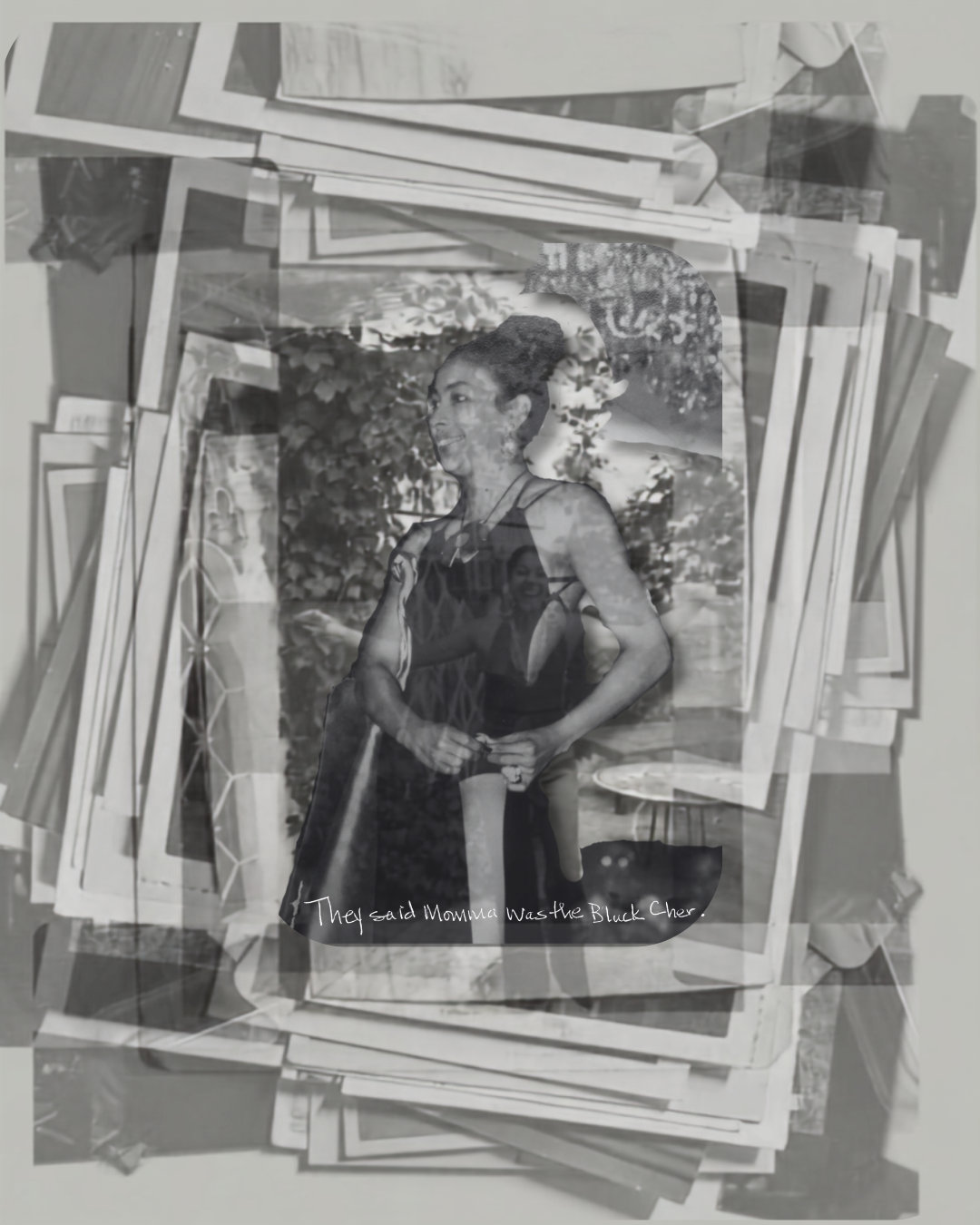
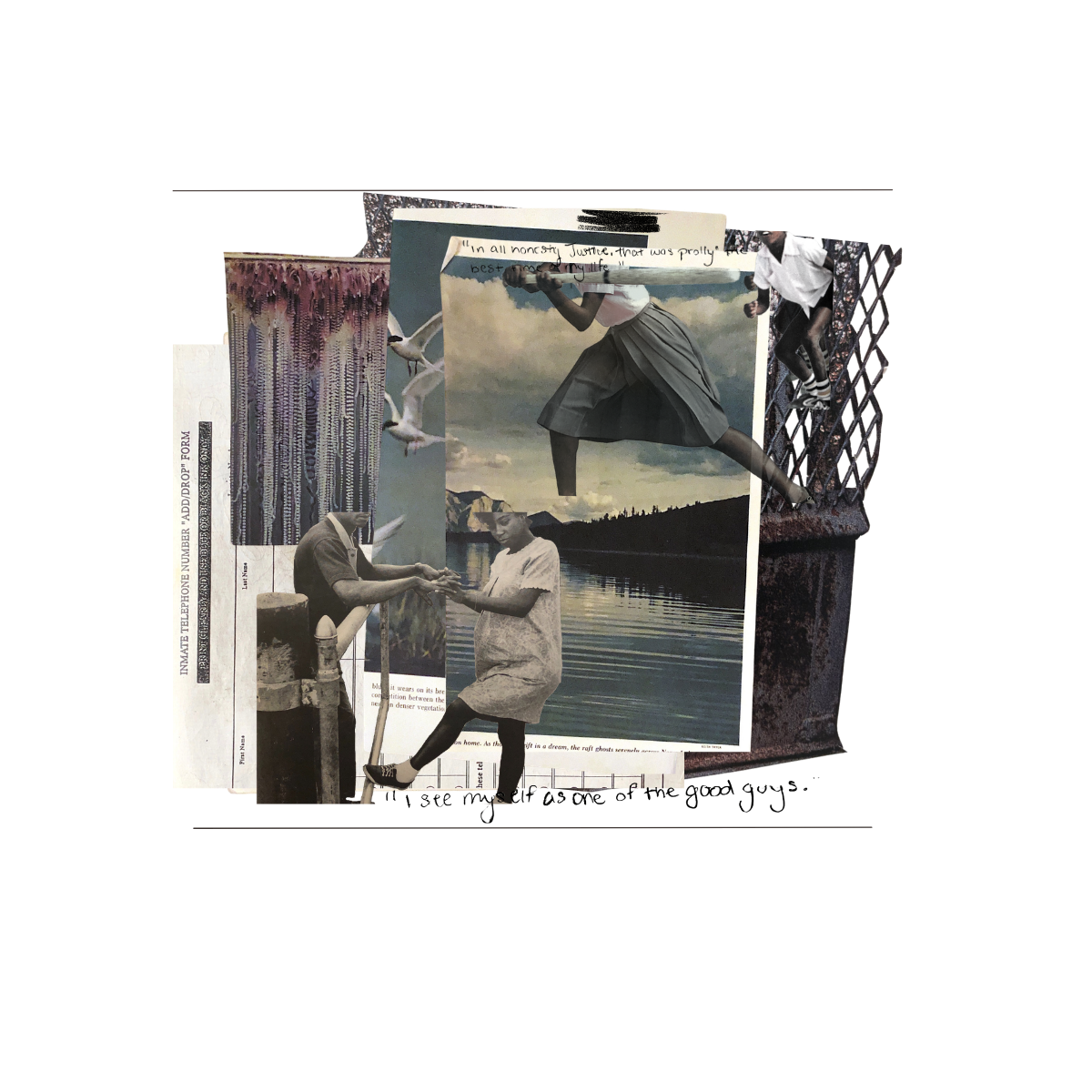
The work may take shape as a photo-text essay, audio piece, exhibit, archive, community walk, publication, performance, installation, conversation, or another form suited to the question, the young people, and the setting.
—
Facilitator
Lisa Arrastia, PhD, Founding Director, The Ed Factory
—
Who Is this Institute For?
This institute is for K–12 teachers, progressive education teachers, new teachers, teaching artists, youth workers, after-school educators, summer program staff, and others designing learning with young people inside and outside of schools.
—
Time Commitment
This institute includes 45 live instructional hours and requires additional structured work outside the live sessions, including reading/viewing, place inquiry, oral history or listening practice, curriculum/program design, peer feedback, revision, and final project preparation.
Participants should expect to work outside the live sessions throughout the institute.
—
Required Texts
Most texts will be provided electronically, but some must be purchased in your preferred format from your preferred bookstore. After registering, contact us for the list of required books.
—
Learning Outcomes
—
Tuition + Fellowships
Tuition supports 45 live instructional hours, course materials, project guidance, public product feedback, documentation for professional learning when needed, and the sustained preparation required for reading, listening, inquiry, curriculum design, and participant support.
Tuition does not include graduate-level extension credit or any required books participants may need to purchase separately.
→ Discounted tuition: $395 through 29 September 2026. Use code FALLINSTITUTE26 at checkout.
→ Standard tuition: $495 beginning 30 September 2026.
→ Fellowship access: Partial and full fellowships are available by application. Full fellowships cover The Ed Factory tuition. Partial fellowship tuition is $225 total.
Fellowship Application Timeline / Complete the Application
Because fellowship spaces are limited, we may offer unclaimed awards to another applicant.
Additional reduced-rate access may be available when cost is a barrier. Please contact us to discuss options.
Payment plans are available.
—
Experience
No prior experience with public inquiry, audioethnography, oral history, curriculum design, project-based learning, or youth program design is required.
Participants should come with an interest in education, young people, public life, creative practice, and the conditions shaping the communities where young people live and learn.
—
Free Low-Tech Basics Tutorial, 22 September 2026 / 6:00-7:00 pm EASTERN
For those who want to become familiar with online learning and applications like Zoom, Google Drive, and shared Google files. First, register for the institute, then complete the Low-Tech Basics Tutorial registration form.
—
Graduate-Level Extension Credit
Public Inquiry as Liberatory Education is eligible for up to 4.5 graduate-level extension credits for an additional fee of $79 per credit paid directly to the University of San Diego. The Ed Factory payment and graduate-credit enrollment are two separate transactions. Learn more here.
—
“Learning about project-based learning and how to construct meaningful lessons has been very helpful. But getting at the ‘why we do PBL’ has really influenced my idea of what makes good teaching.”
“I thought we had to ‘trick’ students into learning, but now it’s clear what we have to do is give them meaningful work.”
“Creating the opening event and the ‘question that cannot be Googled’ helped me visualize my future classroom. It made me even more excited to teach my subject.”
“I had assumptions about why students may not participate, and I had not thought critically about why that might be the case. Through seeing students in the classroom and through our seminar conversations, I learned to see students in multiple dimensions.”
—
Refund & Cancellation Policy
Unless otherwise stated, refund requests made at least 30 days before the program begins may receive a refund minus payment processing fees. Requests made 15–29 days before the program begins may receive a 50% refund minus processing fees. Refunds are not available within 14 days of the program start date, except in extraordinary circumstances at The Ed Factory’s discretion. Registration may not be transferred to another person without The Ed Factory's written permission.
Live, online via Zoom / 4.5 Graduate-Level Extension Credits
Opening Sessions
Tuesday, 6 October 2026 / 6:00–8:30 pm EASTERN
Tuesday, 13 October 2026 / 6:00–8:30 pm EASTERN
Weekend Intensives
17–18 October 2026 / 11:00 am–4:00 pm EASTERN
24–25 October 2026 / 11:00 am–4:00 pm EASTERN
7–8 November 2026 / 11:00 am–4:00 pm EASTERN
14–15 November 2026 / 11:00 am–4:00 pm EASTERN
The Fall Institute includes 45 live instructional hours, with additional structured work outside the live sessions (required for those seeking graduate-level extension credit).
—
Description
Public Inquiry as Liberatory Education is a live, online institute in curriculum and program design for educators working inside and outside of schools. The institute studies public inquiry as a liberatory education practice: a way of positioning young people to investigate the social, economic, political, cultural, and local conditions shaping their lives, and to design creative work that recognizes, records, and makes public—in every conceivable shape and form—what others have not yet seen, heard, or understood.
Participants will begin by developing their own public inquiry into a place they know: a childhood community, current neighborhood, school, workplace, or another place that has shaped their life. They will identify a question, study the conditions around it, listen to people connected to that place, and consider what creative public form could carry the inquiry beyond the institute.
From there, participants will design a public inquiry project for young people—one that begins with a strong guiding question, moves through investigation, listening, local research, skill-building, creative production, and revision, and culminates in public work young people can make and share.
The institute draws on liberatory curriculum and program design, critical cultural pedagogy, public inquiry, audioethnographic practice, descriptive review, writing, discussion, and creative production. Together, we will examine how Black, Brown, white, working-poor, and working-class young people are positioned by schools, neighborhoods, public policy, labor, housing, policing, language, family life, media, and local histories. We will also study how educators come to understand young people, authority, freedom, care, responsibility, conflict, and learning, and how those inherited understandings shape the curriculum and programs we build.
By the final session, each participant will have a teachable public inquiry project with a guiding question, core materials, listening or oral history practice, scaffolded experiences, formative assessment, and a public-facing form. The institute assumes that young people across age levels can notice, question, and interpret the world around them; participants will be guided to adapt public inquiry practices to the developmental age, setting, community, and responsibilities of the young people they teach.
The work may take shape as a photo-text essay, audio piece, exhibit, archive, community walk, publication, performance, installation, conversation, or another form suited to the question, the young people, and the setting.
—
Facilitator
Lisa Arrastia, PhD, Founding Director, The Ed Factory
—
Who Is this Institute For?
This institute is for K–12 teachers, progressive education teachers, new teachers, teaching artists, youth workers, after-school educators, summer program staff, and others designing learning with young people inside and outside of schools.
—
Time Commitment
This institute includes 45 live instructional hours and requires additional structured work outside the live sessions, including reading/viewing, place inquiry, oral history or listening practice, curriculum/program design, peer feedback, revision, and final project preparation.
Participants should expect to work outside the live sessions throughout the institute.
—
Required Texts
Most texts will be provided electronically, but some must be purchased in your preferred format from your preferred bookstore. After registering, contact us for the list of required books.
—
Learning Outcomes
—
Tuition + Fellowships
Tuition supports 45 live instructional hours, course materials, project guidance, public product feedback, documentation for professional learning when needed, and the sustained preparation required for reading, listening, inquiry, curriculum design, and participant support.
Tuition does not include graduate-level extension credit or any required books participants may need to purchase separately.
→ Discounted tuition: $395 through 29 September 2026. Use code FALLINSTITUTE26 at checkout.
→ Standard tuition: $495 beginning 30 September 2026.
→ Fellowship access: Partial and full fellowships are available by application. Full fellowships cover The Ed Factory tuition. Partial fellowship tuition is $225 total.
Fellowship Application Timeline / Complete the Application
Because fellowship spaces are limited, we may offer unclaimed awards to another applicant.
Additional reduced-rate access may be available when cost is a barrier. Please contact us to discuss options.
Payment plans are available.
—
Experience
No prior experience with public inquiry, audioethnography, oral history, curriculum design, project-based learning, or youth program design is required.
Participants should come with an interest in education, young people, public life, creative practice, and the conditions shaping the communities where young people live and learn.
—
Free Low-Tech Basics Tutorial, 22 September 2026 / 6:00-7:00 pm EASTERN
For those who want to become familiar with online learning and applications like Zoom, Google Drive, and shared Google files. First, register for the institute, then complete the Low-Tech Basics Tutorial registration form.
—
Graduate-Level Extension Credit
Public Inquiry as Liberatory Education is eligible for up to 4.5 graduate-level extension credits for an additional fee of $79 per credit paid directly to the University of San Diego. The Ed Factory payment and graduate-credit enrollment are two separate transactions. Learn more here.
—
“Learning about project-based learning and how to construct meaningful lessons has been very helpful. But getting at the ‘why we do PBL’ has really influenced my idea of what makes good teaching.”
“I thought we had to ‘trick’ students into learning, but now it’s clear what we have to do is give them meaningful work.”
“Creating the opening event and the ‘question that cannot be Googled’ helped me visualize my future classroom. It made me even more excited to teach my subject.”
“I had assumptions about why students may not participate, and I had not thought critically about why that might be the case. Through seeing students in the classroom and through our seminar conversations, I learned to see students in multiple dimensions.”
—
Refund & Cancellation Policy
Unless otherwise stated, refund requests made at least 30 days before the program begins may receive a refund minus payment processing fees. Requests made 15–29 days before the program begins may receive a 50% refund minus processing fees. Refunds are not available within 14 days of the program start date, except in extraordinary circumstances at The Ed Factory’s discretion. Registration may not be transferred to another person without The Ed Factory's written permission.